Redefining Transhumanism: Forging a Path to a Stronger Future
Aug 10, 2023
2 min
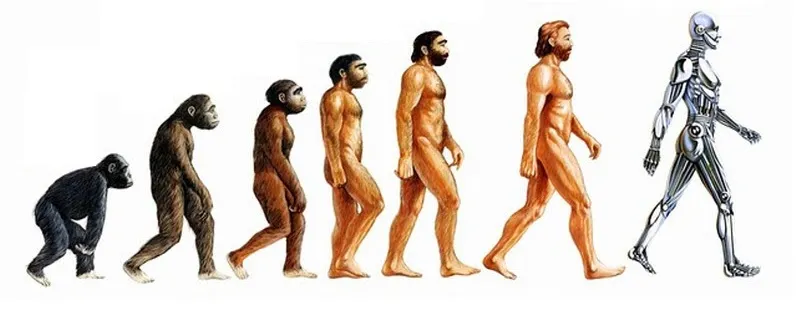
Redefining Transhumanism: Forging a Path to a Stronger Futurehttps://images.app.goo.gl/DTLYJ9xus4VMzDZc8
Transhumanism — a concept that once seemed confined to the pages of science fiction novels — is swiftly making its way into our reality. The fusion of technology and human capabilities is no longer a distant dream; it’s an inevitable future hurtling towards us. But let’s push aside the clichés and delve into a vision that’s both audacious and transformative.
When most people envision transhumanism, they might imagine a legion of individuals plugged into virtual reality, receiving sustenance intravenously in their basements. However, what if we could paint a different picture, one where transhumanism isn’t a retreat from reality, but a leap towards human potential?
Imagine a society where our collective pursuit is the creation of superhumans — not in the comic book sense, but individuals who harness technology to unlock astounding capabilities. Instead of merely viewing technology as an escape, we’d embrace it as a means to achieve feats that were once deemed impossible.
At the forefront of this movement is the idea of seamlessly integrating technology with our bodies. Picture a world where artificial organs not only replace failing ones but enhance our abilities. Need a memory boost for that crucial presentation? Imagine effortlessly summoning vast amounts of information with a thought. Such advancements could redefine what it means to be human, blurring the line between our organic selves and the technology we’ve created.
But this vision extends beyond the physical realm. Friedrich Nietzsche once introduced the concept of the “Ubermensch,” an individual who transcends societal norms and limitations. What if we could translate this concept into a tangible reality? Instead of being a psychological metaphor, the Ubermensch could become a physical embodiment of human potential.
Now, consider the impact on our relationship with the future. In a society committed to harnessing technology for strength, rather than succumbing to AI-induced vulnerabilities, our trajectory would shift dramatically. We’d be architects of a civilization designed to last not just decades or centuries, but millennia. Our connection to the world, our understanding of ourselves, and our vision of the future would evolve in ways that could only be described as profound.
In conclusion, the trajectory of transhumanism is not set in stone. It’s a narrative we have the power to shape. By steering away from the dystopian clichés and embracing a future where technology propels us towards strength, we embark on a journey that defies limits. The journey isn’t just about becoming superhuman; it’s about becoming the architects of a legacy that endures. It’s a journey that beckons us to explore the uncharted territories of human potential and redefine what it truly means to be human.
Are you ready to take the leap into a future where strength triumphs over weakness? Join us on this extraordinary expedition into the heart of redefined transhumanism.